Home Gardening

Outdoor Gardening

Organic Gardening

Modern Gardening

Urban Gardening

Gardening Business

Homemade Organic Fungicides for Garden Plants: DIY Recipes

Fungal infections infect garden plants, putting everything from fragile flowers to vibrant vegetables at risk. Instead of spending money on harmful synthetic pesticides, you can make your own organic fungicides for your garden plants. Gardeners may grow lush, flourishing gardens with little help from this comprehensive guide to organic gardening.

Organic fungicides use common ingredients like garlic, neem oil, and baking soda because they are safe for plants, pollinators, and the environment. With these techniques, gardeners can control plant health while reducing their ecological impact. Anyone can modify their approach to treat specific fungal infections by making these cures at home.

Rust, blight, and powdery mildew are frequent issues that can devastate gardens if they are neglected. Making your own fungicides is a wonderful way to combat these problems and extend the life of your plants. This cookbook combines practical dishes with practical gardening instruction, making it perfect for gardeners of all abilities.

In the following fourteen sections, you will find detailed instructions and tips from seasoned gardeners on how to create and apply organic fungicides in creative ways. By treating a wide range of plant and fungal issues, these techniques guarantee adaptability. In this book, readers will learn simple ways to keep their gardens sustainable.

By using these all-natural methods, gardeners may make gardens that are both beautiful and eco-conscious. Whether you’re a beginner or an expert, this guide will teach you how to naturally combat fungus. The art of adopting do-it-yourself approaches for plant protection is something we should look into. What are we waiting for? Let’s look at DIY recipes of homemade organic fungicides for garden plants.

How to Make Homemade Fungicides for Garden Plants-Safe & Natural Remedies

Crafting a Baking Soda Spray to Eliminate Powdery Mildew on Vegetable Gardens

Adjusting the pH of the leaves using baking soda makes them less appealing to fungus, which is why this method is effective in controlling powdery mildew on garden crops. Mix one tablespoon of baking soda with one gallon of water and one teaspoon of liquid soap to create a simple spray. This remedy works wonders on pumpkins, cucumbers, and zucchini, all of which can develop white, powdery spots.

Apply the baking soda fungicide to vegetable crops first thing in the morning to make sure the leaves dry before nightfall and to halt the spread of spores. Sarah, a home gardener, noticed a dramatic reduction in mildew in as little as five days after beginning to treat her squash weekly. The treatment was effective since her plants produced more and had healthier leaves.

Three drops of organic horticultural oil, for fungus treatment, will enhance adhesion and prolong protection. Especially on thick foliage, this ensures uniform coverage and boosts efficacy against persistent mildew. Soil fungus can’t grow on veggies if you apply this pesticide often (every seven to ten days).

Baking Soda Miracles In Plants

This treatment is the ideal answer for organic gardeners seeking a non-toxic and inexpensive means of protecting squash plants from fungal diseases. Never spray an entire leaf without first testing it on a tiny area; this is particularly important for more sensitive varieties. Consistent application promotes robust plant growth all through the growing season.

The all-natural powdery mildew remedy for organic veggies is simple to whip up and won’t harm the planet, making it an essential component of sustainable farming. Sarah’s success inspired her neighbors to follow suit, miraculously saving the community garden from mildew. With just a few simple ingredients, this spray produces excellent results for vegetable farmers.

IngredientQuantityPurpose
Baking Soda1 tbsppH adjustment
Water1 galBase
Liquid Soap1 tspEmulsifier
Horticultural Oil3 dropsAdhesion

Formulating Neem Oil Solutions to Safeguard Roses from Black Spot Fungus

The antifungal and anti-pest properties of neem oil make it a versatile remedy for rose shrub black spot fungus. An effective spray can be made by combining two teaspoons of neem oil with five drops of dish soap, one gallon of water, and a gallon of water. You can protect your leaves from the dark, uneven areas caused by black spots by applying this mixture to them.

When spraying roses with neem oil to combat fungal diseases, do it in the early evening or another cooler time of day to avoid direct sunlight, which can cause leaf scorch. During the humid summer months, this prevented defoliation on Emma’s hybrid tea roses, which she loves. As proof that the treatment works for rose lovers, her flowers suddenly blossomed again.

To make the fungal suppression even more effective, you can add a teaspoon of baking soda or another natural antifungal remedy for roses to the solution. Under extreme conditions, this mix delays leaf loss and yellowing. To ensure even distribution, shake the mixture well before use.

When rose gardens are treated organically for pests and fungi, beneficial insects like ladybugs are protected while pollinators are not. Because it maintains the blooms in pristine condition, it is ideal for organic rose gardens. Apply this treatment once every ten days to prevent black spots and other fungal threats.

Neem Oil Pesticide Formulation.

Following Emma’s successful application of the risk-free neem oil treatment for rose health, members of her gardening group also reported comparable outcomes. With little effort, this inexpensive solution offers long-lasting benefits. Regular watering helps rose gardens flourish even in difficult climates.

IngredientQuantityPurpose
Neem Oil2 tspAntifungal
Dish Soap5 dropsEmulsifier
Water1 galBase
Baking Soda1 tsp (optional)Enhanced suppression

Brewing Garlic Infusions for Comprehensive Fungal Protection in Gardens

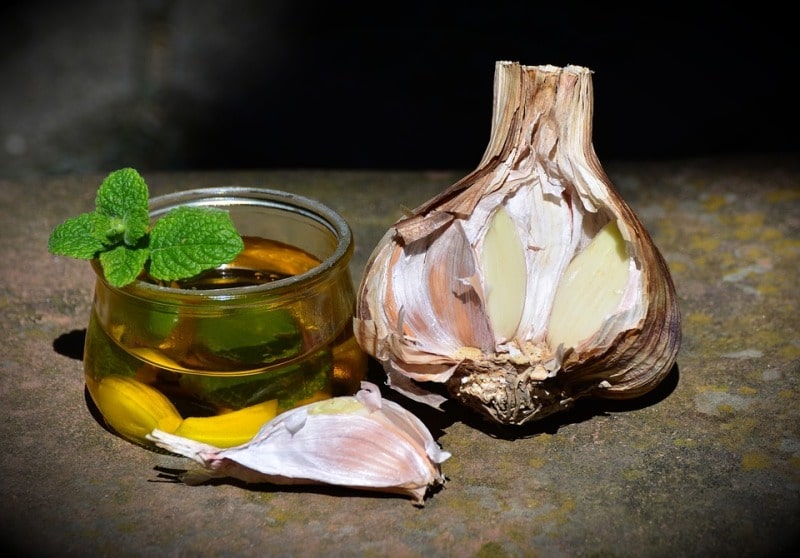
The sulfur compounds found naturally in garlic make it an ideal ingredient for a fungicide that protects garden plants against rust, mildew, and blight. Mix six cloves with one quart of water, strain, and then dilute with one gallon for a potent spray. Beans, peppers, and tomatoes are just a few of the crops that benefit from this infusion.

Early blight causes black, concentric leaf patches; a garlic-based organic fungicide can protect tomatoes from this disease. Apply every ten days on the undersides of the leaves, where the spores thrive. Tom routinely sprayed his heirloom tomato varieties, allowing him to get tomatoes devoid of defects.

For more plant protection and insect and fungal deterrence, try adding a pinch of cayenne pepper to the mixture of natural sulfur compounds. This multipurpose spray, at an affordable price, will maintain the health of your garden. Store the mixture in a cool, dark place to maintain its antifungal effects.

Whether you’re cultivating beans, peppers, or eggplants, this versatile garlic spray will effectively deter pests. It is harmless to organic gardens and doesn’t change soil ecosystems. Weekly treatments help plants retain their resistance, even in damp settings.

Homemade Organic Fungicides
Garlic Fungicide.

Since Tom’s tomato patch was doing so well, his neighbors started using organic garlic in their vegetable plots as well. The simplicity and effectiveness of this method have made it a favorite among eco-conscious gardeners. Applying garlic infusions on a daily basis provides protection against a wide variety of fungi.

IngredientQuantityPurpose
Garlic6 clovesAntifungal sulfur
Water1 qt + 1 galBase + dilution
Cayenne PepperPinch (optional)Enhanced deterrence

Preparing Chamomile Tea Sprays to Protect Seedlings from Fungal Diseases

Chamomile tea is an effective organic chamomile fungicide that is gentle enough for seedlings and yet effective enough to prevent damping off. Three chamomile tea bags should be steeped in one quart of boiling water. Put them in a spray bottle after they’ve cooled. This antifungal spray is gentle enough to use on seedlings and won’t leave any harmful residue.

By misting the soil and leaves with the chamomile tea spray, you can make your young plants immune to fungal diseases. For better germination rates and less collapse, nursery owner Lisa used this on her lettuce seedlings. The success of her seedlings demonstrated that the spray was effective.

Including natural antifungal herbs for plant care, such as a drop of lavender essential oil, can enhance protection without compromising the spray’s safety for roots. Spraying the seedlings once a week during their early stages promotes robust growth. Avoid waterlogging and maintain soil balance by not spraying too much.

It is in keeping with organic gardening principles to protect vegetable seedlings from damping-off so they can develop robust root systems. Because it is non-toxic, it is safe to use on delicate crops such as kale and lettuce. Every single seedling tray in Lisa’s nursery is now treated with this solution.

Customers started noticing stronger seedlings after applying Lisa’s safe chamomile spray on their young plants. With few ingredients and no effort, this cheap approach yields reliable results. Applying chamomile tea sprays to seedlings is an eco-friendly way to nurture them.

IngredientQuantityPurpose
Chamomile Tea Bags3Antifungal
Water1 qtBase
Lavender Essential Oil1 drop (optional)Enhanced protection

Mixing Milk Solutions to Suppress Fungal Growth on Grapevines

Sunlight activates a protective barrier that milk proteins form, shielding grapevines from fungal diseases like powdery mildew. You can make an effective spray for vines and backyard gardens by combining one part water with two parts whole milk. In addition to protecting the grape leaves, this method ensures healthy fruit production.

The milk-based fungicide is most effective when applied to all surfaces of the leaves every ten days. Maria would spray her grapevines on a daily basis to remove mildew areas, allowing her pastime as a vintner to stay in good repair. Her fully matured grapes proved that the treatment was beneficial to the vine’s health.

For healthy vines, use the organic milk spray in conjunction with pruning to reduce humidity and boost air circulation, two factors that promote fungal growth. To prevent fungal growth, you need whole milk, not skim, because skim lacks the protein. Vine yields are consistently high and disease-free when this technique is used.

The natural fungus treatment for vineyard vines is safe and eco-friendly, and it preserves fruit flavor. This is the ideal answer for organic winemakers who are concerned about the environment. Please ensure the plant can tolerate the treatment by testing a small area of the vine before applying the full amount.

After Maria’s organic milk treatment for grapevines proved effective, her local wine club embraced this method. Because of how effective and easy it is to use, the spray is a staple for grape growers. Using the vine on a frequent basis keeps it resistant to fungal attacks.

IngredientQuantityPurpose
Whole Milk2 partsProtein barrier
Water1 partDilution

Using Cinnamon Dust to Halt Fungal Spread on Indoor Houseplants

When it comes to soil-based houseplants, cinnamon‘s antibacterial properties make it an excellent choice for protecting against fungal infections. Sprinkle ground cinnamon on the affected soil or make a spray with water and cinnamon. Root rot and fungus gnats can’t get to peace lilies, ferns, and pothos thanks to this remedy.

Cinnamon fungicide for houseplants can be applied to soil surfaces or cut stems to seal off potential entry points for fungal pathogens. As a preventative measure against root rot, James, an avid indoor plant collector, dusts his peace lily with cinnamon once weekly. He was able to get his plant back to health by showing how simple and effective the method is.

Use organic cinnamon powder in conjunction with proper watering procedures to protect plants against fungal recurrence. To prevent issues from worsening due to overwatering, please ensure that pots have adequate drainage. This approach is ideal for indoor gardening as it is non-toxic and suitable for homes with children and pets.

Benefits of Cinnamon for Plants 1

Succulents, tropicals, and other houseplants can all benefit from the natural antifungal dust, which is both inexpensive and versatile. This method effectively prevents fungus growth while maintaining the natural beauty of the plants. Keeping cinnamon in an airtight container will ensure that its antifungal efficacy remains intact for an extended period.

James swiftly gained acceptance for his safe cinnamon remedy for indoor plants after sharing it with his online plant community. With little effort, this cost-effective method yields long-term results. When it comes to controlling fungus, cinnamon dust is still the go-to remedy for indoor plant aficionados.

IngredientQuantityApplication
CinnamonAs neededSoil dusting or spray

Creating Vinegar Solutions to Eradicate Rust on Ornamental Garden Plants

Apple cider vinegar kills rust fungus and stops the orange spots that taint flower petals; it’s a great remedy for beautiful plants. One gallon of water, one tablespoon of soap, and one tablespoon of vinegar make a mild but effective spray. This method benefits hollyhocks, snapdragons, and roses.

Use the fungicide for garden flowers that is based on vinegar to prevent rust from spreading across decorative beds. Apply it early in the growing season. Anna, a flower grower, sprayed her roses every other week to protect them from rust and preserve their vibrant blossoms. The success of her garden showed that the treatment was beneficial.

For optimal plant health, dilute organic vinegar spray with a pinch of baking soda to neutralize the acidity and shield delicate foliage. Carefully dilute the vinegar to avoid burning sensitive plants. This technique ensures that a wide range of decorative plants can be used without risk.

Managing ornamental plant rust naturally is an affordable option that aligns with organic gardening principles. It keeps flowers looking beautiful without leaving behind any chemical residues, which is excellent news for eco-conscious gardeners. Make sure the plants are compatible by doing a small-scale test before using it widely.

As a result of Anna’s demonstration of the safe vinegar remedy for appealing plants, the local gardening organization agreed to implement it. Those who adore flowers love the spray due to its low price and ease of usage. By spraying them regularly, ornamental gardens may stay healthy and rust-free.

IngredientsQuantityPurpose
Apple Cider Vinegar1 tbspAntifungal
Soap1 tbspEmulsifier
Water1 galBase
Baking SodaPinch (optional)Neutralize acidity

Blending Essential Oil Sprays for Fungal Resistance in Herb Gardens

Essential oils of fragrant and protective herbs, such as tea tree and oregano, effectively manage herb plants afflicted with fungal diseases. Mix one drop of soap with five drops of each oil in one quart of water to make a strong spray. This treatment inhibits the growth of downy mildew and other fungal diseases on basil and parsley.

Basil plants should be treated with an essential oil fungicide every two weeks. Be sure to concentrate on the undersides of the leaves, as they are common hiding places for fungal spores. To ensure a bountiful harvest of basil, herb gardener Rachel used this mixture to protect her crop. The fact that her herbs remained healthy proved that the spray was reliable.

Use an organic essential oil spray to improve air circulation and reduce the risk of fungus in herb gardens with the right spacing between plants. To save leaves from being burned, don’t spray when the sun is directly overhead. Herbs remain living and vibrant in this way.

Herbs used in cooking are naturally treated with antifungal agents, preserving their culinary integrity. This is an ideal long-term solution for organic herb gardens. Seal the combination in a dark bottle to protect the oil’s efficacy over time.

After Rachel proved that her safe essential oil treatment for herb health worked, her customers at the farmers’ market started using it more frequently. The spray’s efficacy and ease of manufacture make it a favorite among herb producers. Regular use ensures the growth of herbs free from fungus.

IngredientsQuantityPurpose
Tea Tree Oil5 dropsAntifungal
Oregano Oil5 dropsAntifungal
Soap1 dropEmulsifier
Water1 qtBase

Making Compost Tea to Boost Plant Immunity Against Fungal Diseases

Compost tea boosts plant resistance to fungal infections by promoting the growth of beneficial bacteria that inhibit pathogens. Prepare a nutrient-rich spray by steeping a handful of compost that has been aged in a gallon of water for an entire day and then straining. Plants, including edibles and ornamentals, become more hardy after receiving this treatment.

Apply the compost tea fungicide to the soil and plants to make them resistant to fungal diseases. Mark, a vegetable farmer, used this on his cabbages to keep them from going black and to boost his harvest. His bountiful harvest demonstrated the tea’s practicality.

Combine organic compost tea with crop rotation to prevent soil fungal growth for maximum plant health advantages. While the mixture is steeping, add air to boost the microbe activity. This procedure ensures that the tea will retain its efficacy and strength.

How to Make Compost Tea for Your Garden 4

Sustainable and ideal for organic farms and home gardens, vegetables have a natural resistance to fungus. Without the use of any artificial fertilizers or pesticides, it improves plant vitality and soil health. Fresh compost tea is at its most effective when consumed within one day.

After seeing how well his cabbages did, Mark’s neighbors began treating their garden plants with the risk-free compost tea method. In spite of its low resource consumption, this eco-friendly product provides effective protection against fungi. Still today, compost tea is a vital part of organic gardening.

IngredientsQuantityPurpose
CompostHandfulBeneficial bacteria
Water1 galBase

Using Hydrogen Peroxide Sprays to Eliminate Soil-Borne Fungi in Gardens

Hydrogen peroxide is a powerful tool for controlling fungal diseases that root in soil because it oxygenates the soil and kills off any spores that may be present. One quart of water and one tablespoon of 3% hydrogen peroxide make a safe and effective spray. This treatment effectively combats fungus gnats and root rot without harming the plant’s roots.

Thoroughly mix the garden soil fungicide with hydrogen peroxide and apply it to the affected areas. Laura, a gardener, applied this treatment to her carrots that had developed a fungal infection in the raised beds. Her bountiful harvest proved that the treatment had a positive effect on soil fertility.

To avoid oversaturating plant roots, use a spray of organic hydrogen peroxide and water sparingly. This encourages robust root systems and prevents the growth of fungus. Avoid using higher amounts since they have the potential to damage roots that are already delicate.

Sustainable farmers will love this all-natural soil fungus treatment for organic gardening because it is both affordable and kind to the environment. It aids in keeping soil ecosystems free of chemicals. Do a small area test to ensure soil and plants are compatible.

After seeing the positive effects of the safe hydrogen peroxide solution on soil health, Laura’s gardening club decided to implement it. The spray is an effective and user-friendly solution for soil-borne fungus. Consistent use keeps garden beds productive and fungal-free.

IngredientQuantityPurpose
Hydrogen Peroxide (3%)1 tbspSoil oxygenation
Water1 qtBase

Preparing Cornmeal Mixtures to Suppress Fungal Growth in Lawns and Gardens

Cornmeal promotes beneficial fungi in garden lawns, which suppress fungal diseases by outcompeting harmful pathogens. Apply a soil drench by mixing one pound of cornmeal with five gallons of water and letting it soak for a full day. Lawns and flower beds both benefit greatly from this.

For a healthy lawn free from brown patches and other grass fungi, apply the cornmeal fungicide and water thoroughly afterwards. A homeowner named John used this product once a month and successfully eliminated fungal areas from his grass. As proof that the method worked, his grass grew back thick and green.

Applying organic cornmeal to plant soil and mowing it correctly can reduce the likelihood of fungal diseases. Overwatering encourages the growth of illnesses; thus, it’s best to avoid it. This procedure ensures that the helpful fungus will thrive in the cornmeal.

Natural fungal management is an affordable and risk-free option for organic landscapes. It improves soil health and plant vitality without resorting to synthetic fertilizers. Use during colder seasons for the best results.

John’s vibrant grass encouraged his neighbors to try the risk-free cornmeal remedy for lawn disease. This environmentally friendly solution provides effortless, long-term protection against fungi. Cornmeal is still a favorite among eco-conscious gardeners.

IngredientQuantityPurpose
Cornmeal1 lbBeneficial fungi
Water5 galBase

Mixing Aloe Vera Gel Solutions to Protect Succulents from Fungal Infections

For succulents and other arid plants, aloe vera‘s antifungal properties make it an ideal remedy for fungal infections and decay. A mixture of one drop of soap, one quart of water, and fresh aloe vera gel can make a protective spray. Succulent plants, including cacti and echeverias, respond positively to this treatment.

To keep succulents healthy, apply the aloe vera fungicide to soil and foliage that are prone to rot. During the rainy season, Mia, a succulent collector, would apply these ingredients to her echeverias to prevent the spread of fungi. She could see that the cure was working since her plants thrived.

To avoid drowning plants, lightly sprinkle them with organic aloe vera. This encourages healthy growth and prevents fungus from spreading. Spraying leaves in direct sunlight might cause damage; therefore, it’s best to avoid that.

The organic, all-natural antifungal treatment is gentle enough for delicate succulents and doesn’t interfere with organic growing practices. It keeps succulents looking beautiful without leaving behind any chemical residues. The mixture will retain its effectiveness if stored in a cool place.

Following the success of Mia’s safe aloe vera treatment for succulent health, her online succulent club enthusiastically accepted it. Succulent enthusiasts rely on the spray because of how efficient it is and how simple it is to use. Regular maintenance ensures that your colorful succulents will remain fungus-free.

IngredientsQuantityPurpose
Aloe Vera GelAs neededAntifungal
Soap1 dropEmulsifier
Water1 qtBase

Formulating Sulfur Dust Applications to Combat Fungal Diseases on Fruit Trees

Sulfur is a time-tested remedy for fungal infections affecting fruit trees, including scab and powdery mildew. One gallon of water and one tablespoon of wettable sulfur make a good spray or dust for leaves. This approach works wonders for apple trees, peach trees, and citrus trees.

To keep fruit trees healthy during the growing season, apply the sulfur fungicide evenly to all surfaces of the leaves. For better fruit quality and no scab, orchardist David used this on his apple trees. As a result of the treatment, his crop yielded more than before.

To protect plants from fungal diseases, use an organic sulfur spray in conjunction with pruning to open up spaces and reduce fungal threats. Avoid using sulfur in hot weather, as it might burn plants. This procedure ensures safe and effective control of fungi.

This eco-friendly and risk-free natural fungus treatment is ideal for organic orchard plants. Without the use of harmful synthetic chemicals, it helps trees stay healthy. Try a little limb to see if the tree can handle it.

The neighborhood farmers’ market adopted the method after David’s success with the non-toxic sulfur remedy for fruit plants. Because it is both cost-effective and efficient, this method is beloved by fruit farmers. Regular treatments can keep orchards productive and fungal-free.

IngredientsQuantityPurpose
Wettable Sulfur1 tbspAntifungal
Water1 galBase

Using Banana Peel Infusions to Enhance Fungal Resistance in Flowering Plants

Banana peels are a beneficial source of nutrients that flowering plants can use to withstand fungal diseases better. After two days of soaking in one gallon of water and filtering, you can use the banana peels as a foliar spray. Beneficial plants for this treatment include roses, marigolds, and other types of blooming plants.

Blossoming plants should be treated with banana peel fungicide every two weeks; for best absorption, apply to soil and leaves. Florist Sophie applied this to her marigolds to keep them free of fungus areas and boost their flowering. As evidence that the infusion was beneficial, her garden flourished.

For optimal plant health and reduced fungal risk, use an organic banana peel spray in conjunction with proper deadheading. This prevents the spread of diseases and promotes the growth of vibrant flowers. Applying an excessive amount can lead to nutritional imbalances.

Ideal for organic flower gardens, this natural antifungal treatment for blooming plants is both affordable and eco-friendly. It helps plants stay healthy without using any harmful chemicals. Use new banana peels for every batch to ensure effectiveness.

After seeing the positive effects of the non-toxic banana peel treatment on their flowers, Sophie’s gardening club decided to use it. Because of its strength and simplicity, the infusion is well-liked by those who enjoy flowers. Regular application ensures vibrant, fungus-free flowers.

IngredientsQuantityPurpose
Banana PeelsAs neededNutrient source
Water1 galBase

Conclusion

Homemade organic fungicides can be an effective tool for gardeners in their fight against fungal diseases. These all-natural treatments, manufactured with components like baking soda, neem oil, and garlic, guarantee flourishing, healthy gardens without harming the environment. Gardeners can raise hardy plants affordably by employing these methods.

The fourteen methods outlined in this manual provide versatile answers for many plant types, such as roses, herbs, and vegetables. A gardener’s real-life experiences back up each tactic, which offers practical methods for success. Producers are able to effectively battle fungal threats such as rust, blight, and powdery mildew with the use of these remedies.

Consistent with eco-conscious farming practices, organic fungicides protect pollinators while preserving soil health. They allow gardeners to customize treatments for specific plants and settings, which increases their adaptability. This booklet provides a roadmap for sustainable plant care, beginning with seedlings and continuing through fully grown crops.

These do-it-yourself options are cost-effective and easy to implement, regardless of your degree of gardening expertise. They promote long-term plant health while reducing reliance on artificial chemicals. Use these all-natural fungicides to grow healthy, fungus-free plants.

LEAVE A REPLY

Please enter your comment!
Please enter your name here